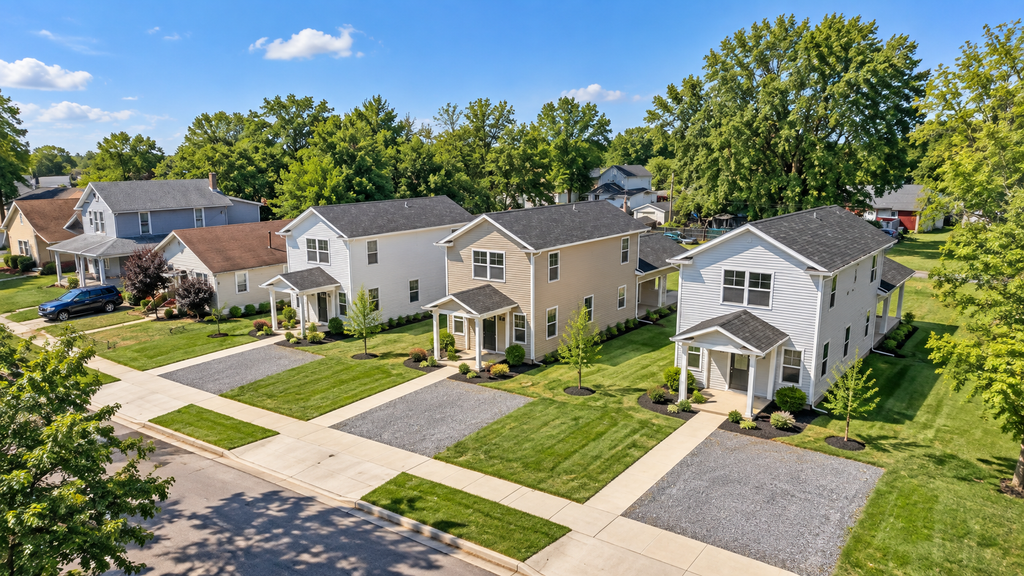
Once vacant lots, blighted homes affecting the neighborhood…
The House on the Block
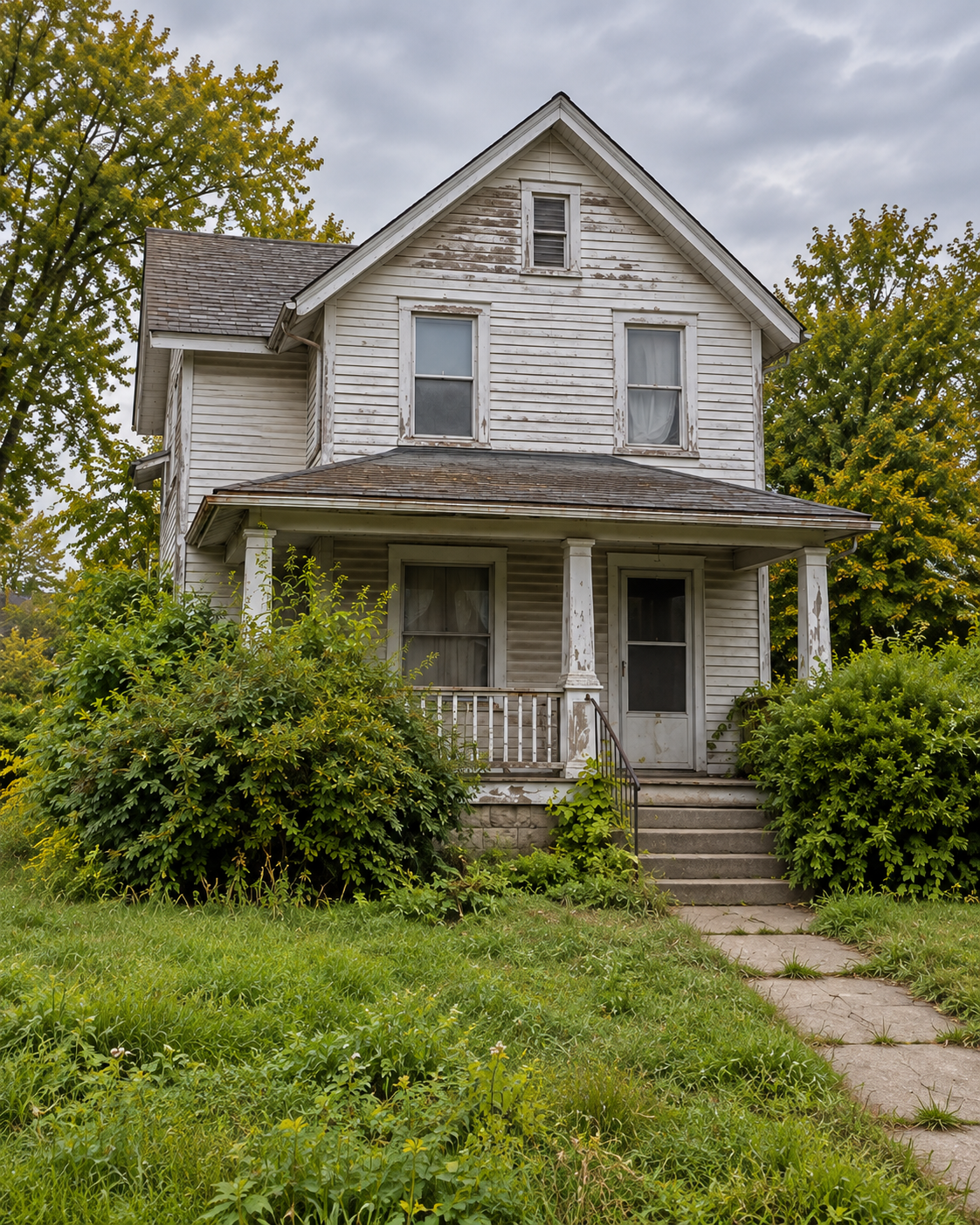
Workers built me in 1920, setting each board and brick with care. A young family came through my front door, and we made a bargain without saying a word: they would look after me, and I would shelter them.
I held steady through the Depression, a world war, hard workdays, and noisy holiday dinners. The children grew up and came back with children of their own. Then the visits grew fewer, and one day a different family moved in.
I did my best for them, too. But a small leak went unfixed. Paint peeled. Bushes pressed against my walls and sent roots toward my foundation. I would have trimmed them myself if I could have reached the shears.
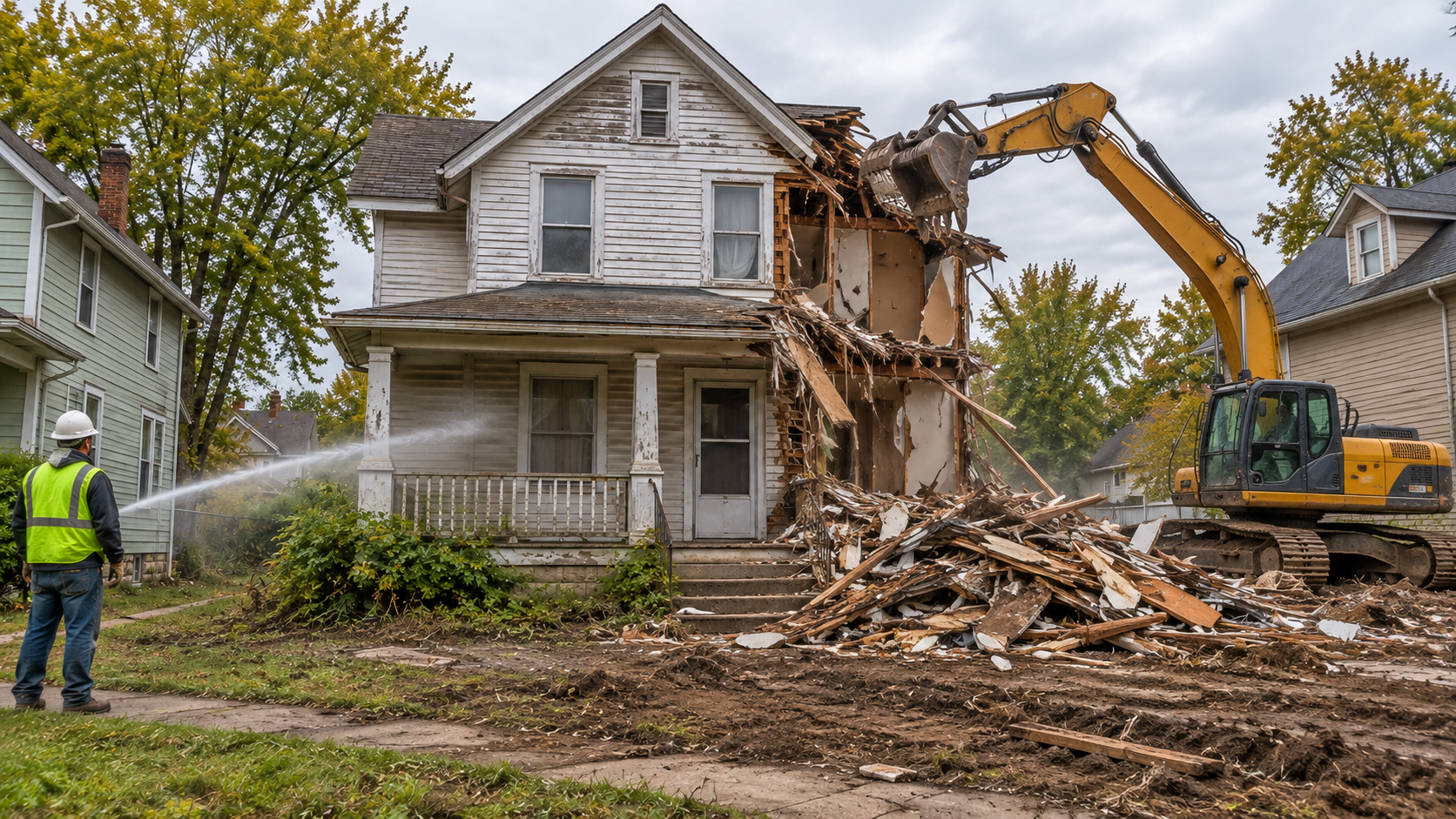
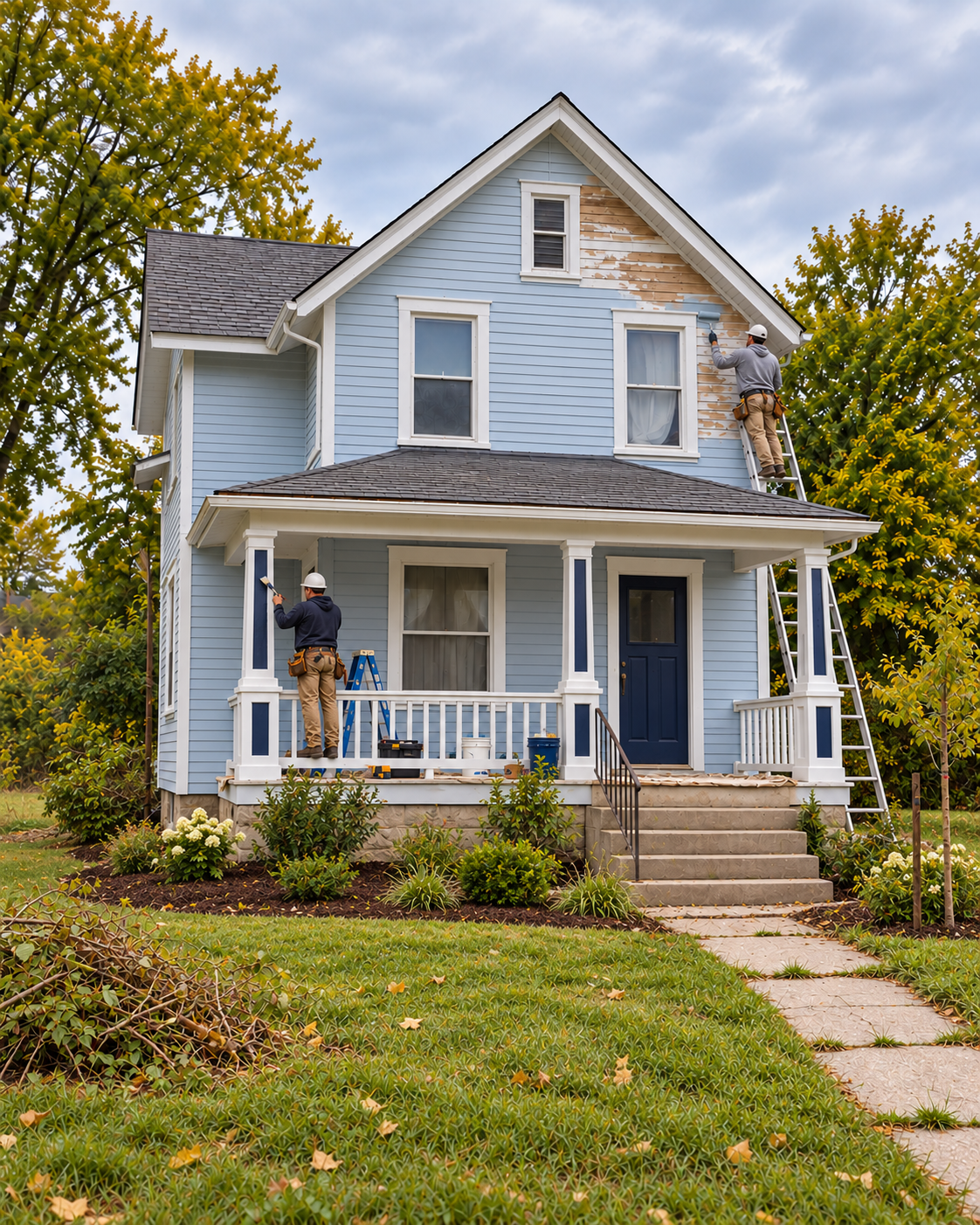
Now people look at me and ask whether to repair me or take me down. I’m tired, but I still have a story—and perhaps some good years left. Please look closely before you decide.
That is where land reuse begins: listening to what a place has been, seeing what it has become, and choosing how it can serve the neighborhood again.
—The House
Rehabilitation or Demolition
Land reuse has many options. However, one of the first decisions is the fact that we have to face. Is the home healthy enough to be renovated, or has it gone past the point where demolition is the next logical decision? Costs and impacts are real. But this is where the others may get involved as well. A community of resources can provide options where single organizations may not have all of them at their disposal. Help make future land use decisions by teaming with LCIC.